
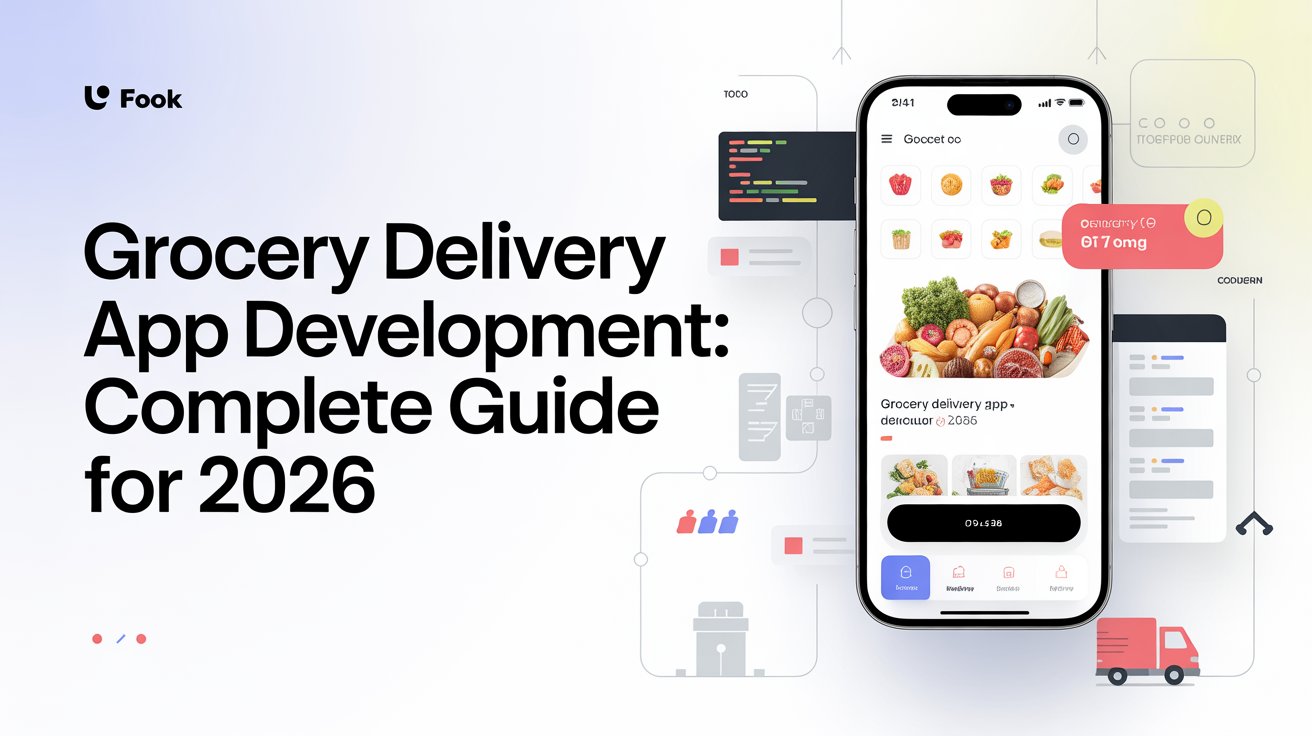
Grocery Delivery App Development: Complete Guide for 2026
The way people shop for groceries has changed dramatically over the last few years, and 2026 is set to take this transformation even further. Busy lifestyles, rising smartphone usage, instant delivery expectations, and AI-driven personalization are pushing grocery brands to go digital faster than ever. As a result, Grocery Delivery App Development has become one of the most profitable and future-ready investments for startups, retailers, and enterprise grocery chains alike.
In this complete guide for 2026, we’ll explore how grocery delivery apps work, key features, technology stack, development process, cost factors, business models, and emerging trends that will shape the industry.
Introduction to Grocery Delivery Apps in 2026
A grocery delivery app allows users to browse products, add items to their cart, place orders, and get groceries delivered to their doorstep. In 2026, these apps are no longer just digital catalogs they are intelligent platforms powered by AI, real-time analytics, automation, and hyperlocal logistics.
Modern grocery apps focus on:
- Ultra-fast delivery (10–30 minutes)
- Personalized product recommendations
- Voice and smart assistant integration
- Contactless and sustainable delivery options
This evolution makes grocery delivery apps essential rather than optional for businesses looking to stay competitive.
Why Grocery Delivery App Development Is a Smart Business Move
The global online grocery market continues to grow year after year, driven by urbanization and digital convenience. Here’s why investing in grocery delivery app development in 2026 makes sense:
1. Changing Consumer Behavior
Customers now prefer ordering groceries online rather than visiting physical stores. Convenience, time-saving, and flexible delivery time are major factors influencing buying decisions.
2. Increased Smartphone Penetration
With affordable smartphones and faster internet connectivity, even tier-2 and tier-3 cities are adopting grocery delivery apps rapidly.
3. Higher Customer Retention
Apps allow businesses to engage users through push notifications, offers, loyalty programs, and subscriptions, resulting in repeat purchases.
4. Data-Driven Growth
Apps collect valuable customer data that helps businesses optimize inventory, pricing, and marketing strategies.
Types of Grocery Delivery Apps
Before starting development, it’s important to understand different grocery app models:
1. Single Store Grocery App
Built for one grocery store or brand to sell directly to customers. Ideal for local supermarkets and organic stores.
2. Multi-Vendor Grocery Marketplace
Multiple vendors list products on one platform. The app owner earns commissions from each order.
3. Hyperlocal Grocery Delivery App
Connects nearby stores with customers and offers ultra-fast deliveries using local delivery partners.
4. Inventory-Based Model
The business owns and manages its own inventory and warehouses, allowing better control over pricing and quality.
Must-Have Features of a Grocery Delivery App
A successful grocery app in 2026 must focus on user experience, speed, and reliability. Below are the core features required:
User Panel Features
- Easy sign-up & login (mobile, email, social)
- Product search with filters
- Smart product recommendations
- Cart & wishlist
- Multiple payment options
- Real-time order tracking
- Push notifications
- Ratings & reviews
- Order history & reordering
Delivery Partner Panel
- Order assignment & navigation
- Availability status
- Earnings dashboard
- Delivery history
Admin Panel
- Product & category management
- Inventory tracking
- Vendor management
- Order & payment management
- Analytics & reports
- Promotional tools
Advanced Features Trending in 2026
To stand out in a competitive market, advanced features are becoming crucial:
- AI-powered recommendations based on shopping behavior
- Voice search & smart assistants for hands-free ordering
- Subscription-based grocery plans
- Dynamic pricing & demand forecasting
- AR-based product previews
- Eco-friendly delivery options
These features not only enhance user experience but also improve operational efficiency.
Technology Stack for Grocery Delivery App Development
Choosing the right technology ensures scalability and long-term success.
Frontend
- Flutter or React Native for cross-platform apps
- Swift (iOS) and Kotlin (Android) for native development
Backend
- Node.js, Python, or Laravel
- RESTful or GraphQL APIs
Database
- MongoDB, PostgreSQL, or MySQL
Cloud & Hosting
- AWS, Google Cloud, or Azure
Integrations
- Payment gateways
- Maps & GPS
- SMS and email services
- Analytics tools
A professional mobile app development company helps you select the most suitable tech stack based on your business goals and budget.
Step-by-Step Grocery Delivery App Development Process
Step 1: Market Research & Idea Validation
Analyze competitors, identify target users, and validate your business model.
Step 2: Feature Planning & Wireframing
Define app features and create wireframes to visualize user journeys.
Step 3: UI/UX Design
Design intuitive, fast, and visually appealing interfaces that enhance usability.
Step 4: App Development
Develop frontend, backend, APIs, and integrate third-party services.
Step 5: Testing & Quality Assurance
Test the app for performance, security, usability, and device compatibility.
Step 6: Deployment & Launch
Publish the app on app stores and set up servers for live users.
Step 7: Maintenance & Updates
Regular updates, bug fixes, and feature enhancements keep the app competitive.
Cost of Grocery Delivery App Development in 2026
The cost of building a grocery delivery app depends on multiple factors:
- App complexity & features
- Platform (Android, iOS, or both)
- UI/UX design level
- Development team location
- Third-party integrations
Estimated Cost Range:
- Basic App: $15,000 – $25,000
- Mid-Level App: $30,000 – $50,000
- Advanced App: $60,000+
Partnering with an experienced mobile app development company ensures cost optimization without compromising on quality.
Monetization Strategies for Grocery Apps
A grocery app can generate revenue through multiple channels:
- Commission from vendors
- Delivery charges
- Subscription plans
- Featured product listings
- In-app advertisements
- Surge pricing during peak hours
A well-planned monetization strategy ensures sustainable profitability.
Challenges in Grocery Delivery App Development
Despite its potential, grocery app development comes with challenges:
- Managing real-time inventory
- Ensuring timely deliveries
- Handling peak-hour demand
- Maintaining product quality
- Logistics optimization
These challenges can be effectively handled with the right technology and development partner.
How to Choose the Right Development Partner
Selecting the right mobile app development company is critical for success. Look for:
- Proven experience in grocery or on-demand apps
- Strong UI/UX capabilities
- Scalable and secure development approach
- Transparent pricing
- Post-launch support
A reliable development partner transforms your idea into a scalable, revenue-generating platform.
Future of Grocery Delivery Apps Beyond 2026
The future of grocery delivery apps will be shaped by:
- AI-driven automation
- Drone and autonomous deliveries
- Smart kitchens & IoT integration
- Hyper-personalized shopping experiences
- Sustainable and green logistics
Businesses that invest early in innovation will dominate the market.
Conclusion
Grocery Delivery App Development in 2026 is more than building an app it’s about creating a seamless digital grocery ecosystem. With the right features, advanced technologies, and a trusted mobile app development company, businesses can tap into a rapidly growing market and build long-term customer loyalty.
If you’re planning to launch or scale a grocery delivery app, now is the perfect time to turn your vision into reality and stay ahead in the competitive on-demand economy.




0 Comments