
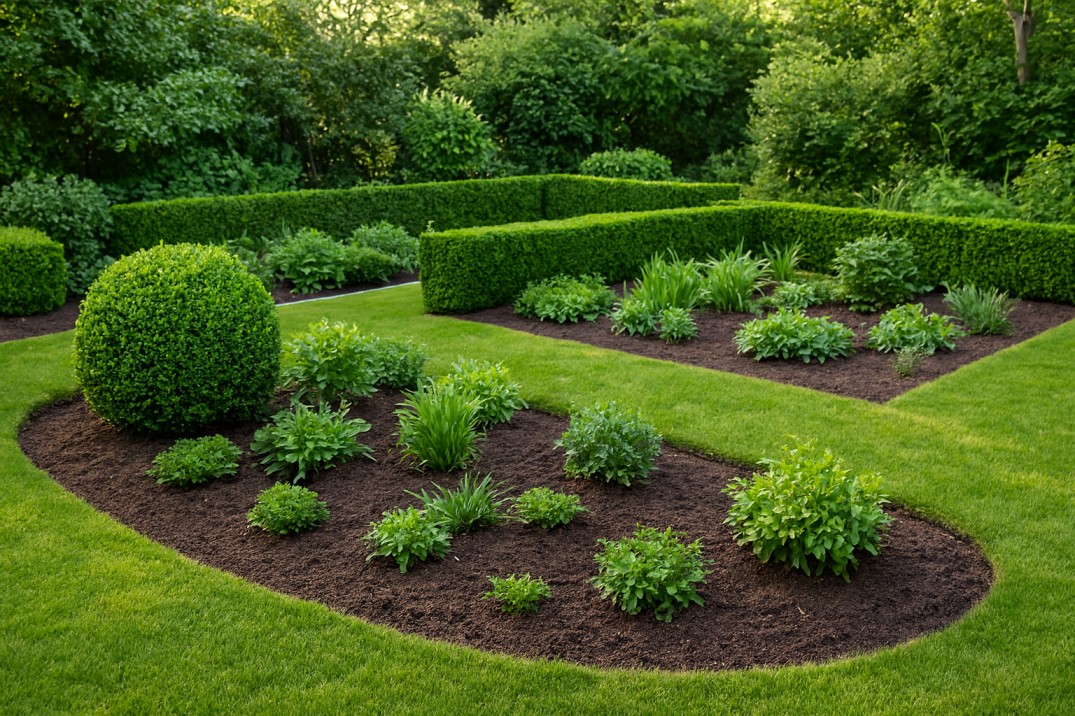
Garden Tidy Ups: The Smart Way to Maintain a Healthy, Low-Stress Garden
A garden should be a place of enjoyment, not stress. Yet for many property owners, outdoor spaces slowly become overwhelming - plants overgrow, weeds spread, lawns lose shape, and maintenance gets pushed aside. This is where regular garden tidy ups make a real difference.
Garden tidy ups are often misunderstood as simple clean-ups. In reality, they play a crucial role in maintaining plant health, preventing long-term damage, and keeping outdoor spaces manageable and visually balanced. Whether the goal is easier maintenance, improved appearance, or healthier plant growth, garden tidy ups form the foundation of smart garden care.
This article explores what garden tidy ups involve, why they matter, and how they contribute to healthier, more functional outdoor spaces over time.
What Are Garden Tidy Ups?
Garden tidy ups are structured maintenance sessions designed to reset and restore outdoor areas. They go beyond mowing the lawn or pulling a few weeds and typically include:
- Pruning overgrown plants and shrubs
- Removing dead or damaged growth
- Clearing fallen leaves and debris
- Defining garden edges
- Managing weed growth
- Tidying garden beds and borders
Rather than reacting to neglect, tidy ups focus on proactive care - preventing gardens from becoming difficult to manage.
Why Gardens Become Overgrown So Quickly
Plants naturally grow in cycles, and without regular intervention, growth can quickly become uneven or invasive. Several factors accelerate garden overgrowth:
- Seasonal growth spurts
- High rainfall or irrigation
- Fast-spreading ground covers
- Lack of consistent pruning
- Infrequent maintenance schedules
Once a garden reaches this stage, routine mowing or watering won’t restore balance. A structured tidy up is often needed to reset the space.
The Hidden Benefits of Regular Garden Tidy Ups
Most people notice the visual improvement immediately, but the real benefits of garden tidy ups go much deeper.
1. Healthier Plant Growth
Removing dead branches and overcrowded growth allows plants to:
- Receive more sunlight
- Improve airflow
- Reduce disease risk
- Grow in a balanced, natural shape
Healthy plants require less intervention and respond better to watering and fertilisation.
2. Reduced Pest and Disease Risk
Dense, untidy gardens create ideal hiding spots for pests and conditions for fungal disease. Regular tidy ups remove these problem areas before infestations develop.
3. Easier Ongoing Maintenance
A well-maintained garden takes less time to manage. Once structure and balance are restored, routine maintenance becomes quicker and more predictable.
Garden Tidy Ups vs Routine Maintenance
Routine maintenance keeps gardens ticking along, but tidy ups serve a different purpose.
Maintenance preserves the current state
Tidy ups restore structure and control
Think of tidy ups as a reset button - especially useful after seasonal changes, periods of neglect, or before ongoing maintenance resumes.
Why Seasonal Timing Matters
Garden tidy ups are most effective when aligned with natural growth cycles.
Early Growth Periods
Tidy ups at the start of a growing season help shape plants and guide healthy growth.
Peak Growth Periods
Mid-season tidy ups prevent gardens from becoming unmanageable and reduce stress on plants.
End of Growth Cycles
Late-season tidy ups prepare gardens for slower growth periods and reduce carryover issues.
This seasonal approach prevents the need for drastic pruning or costly restoration later.
The Role of Garden Tidy Ups in Outdoor Functionality
Gardens aren’t just decorative, they’re functional spaces. Untidy gardens can limit how outdoor areas are used.
Regular tidy ups help:
- Keep pathways clear
- Maintain safe access points
- Prevent plants from encroaching on structures
- Improve visibility and space definition
Well-maintained gardens are easier to enjoy, navigate, and maintain.
Common Mistakes Without Regular Tidy Ups
When tidy ups are ignored, gardens often develop long-term problems, such as:
- Weak plant structures from poor pruning
- Soil compaction under debris
- Weed dominance in garden beds
- Damage to fencing, paving, or walls
- Costly restoration work later
Preventative tidy ups reduce the likelihood of these issues.
Why Professional Garden Tidy Ups Deliver Better Outcomes
Many property owners attempt tidy ups themselves, but professional services bring advantages that DIY efforts often miss:
- Knowledge of correct pruning techniques
- Understanding of plant-specific growth habits
- Efficient waste removal
- Attention to detail in shaping and balance
- Identification of underlying garden issues
Professional tidy ups focus on long-term health, not just appearance.
Garden Tidy Ups for Different Property Types
Garden tidy ups benefit a wide range of properties:
Residential homes seeking low-maintenance outdoor areas
Rental properties needing consistent presentation
Commercial spaces requiring clean, professional exteriors
Investment properties preparing for sale or lease
Regardless of property type, tidy ups help maintain outdoor standards without excessive effort.
How Often Should Garden Tidy Ups Be Done?
There’s no one-size-fits-all schedule, but most gardens benefit from tidy ups every few months, depending on:
- Plant types
- Growth speed
- Seasonal conditions
- Desired appearance level
Consistent scheduling prevents gardens from becoming overwhelming and reduces long-term costs.
Garden Tidy Ups as Preventative Maintenance
One of the biggest advantages of tidy ups is prevention. Addressing small issues early avoids:
- Heavy pruning later
- Plant replacement costs
- Soil degradation
- Structural damage
Over time, preventative maintenance is more affordable and sustainable than reactive clean-ups.
Building a Long-Term Garden Care Strategy
Garden tidy ups work best as part of a broader care plan that may include:
- Lawn maintenance
- Seasonal pruning
- Weed management
- Soil improvement
- Plant health monitoring
This integrated approach ensures gardens remain healthy, attractive, and easy to manage year-round.
Final Thoughts
Garden tidy ups are not just cosmetic improvements, they’re an essential part of maintaining healthy, functional outdoor spaces. By restoring structure, improving plant health, and preventing long-term issues, tidy ups make gardens easier to enjoy and maintain.
Whether maintaining a home garden or managing a larger property, regular garden tidy ups provide clarity, control, and long-term value.
A tidy garden isn’t about perfection - it’s about balance, health, and sustainability.





0 Comments