
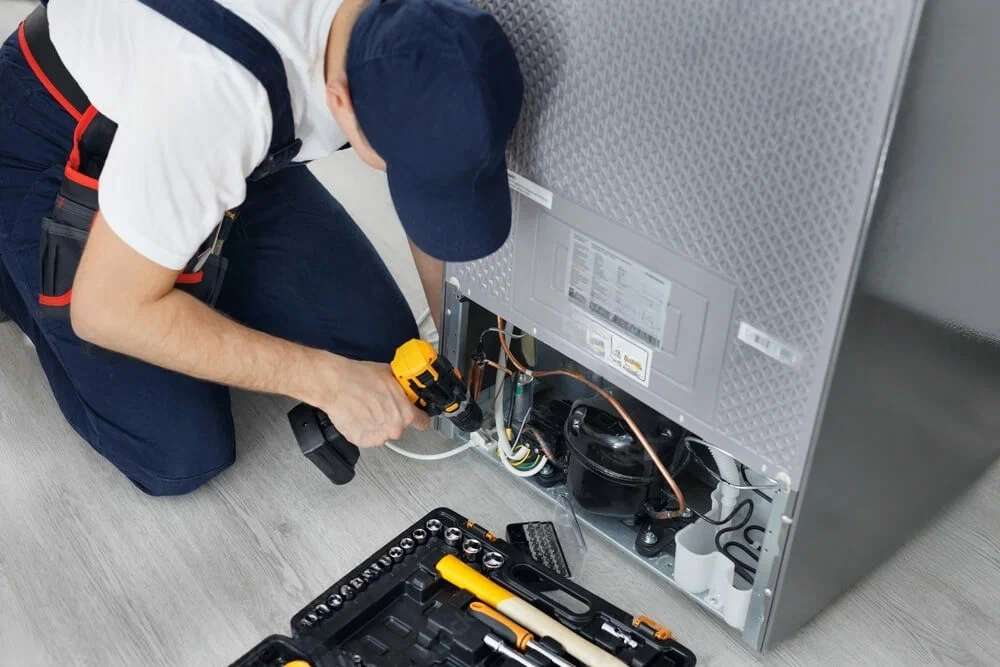
Appliance Repair: Keeping Your Home Running Smoothly with Reliable Solutions
Modern homes rely heavily on appliances to simplify daily life. From refrigerators and washing machines to ovens and air conditioners, appliances work quietly in the background to keep households running smoothly. When one of these essential machines breaks down, it can disrupt routines, increase expenses, and cause unnecessary stress. Appliance repair plays a crucial role in restoring functionality, improving efficiency, and avoiding premature replacements.
This article explores the importance of appliance repair, common appliance issues, professional repair benefits, and practical tips to keep your appliances working efficiently for years.
Understanding Appliance Repair
Appliance repair involves diagnosing, maintaining, and fixing household and commercial appliances that stop functioning correctly. Rather than replacing a malfunctioning appliance, repair focuses on identifying the root cause of the problem and restoring the unit to optimal working condition.
Appliance repair services cover a wide range of equipment, including:
Refrigerators and freezers
Washing machines and dryers
Dishwashers
Ovens, stoves, and microwaves
Air conditioners and heaters
Timely repairs not only restore convenience but also improve safety and performance.
Why Appliance Repair Is Important
Many homeowners delay appliance repairs, hoping the issue will resolve itself. Unfortunately, small problems often turn into major failures when ignored. Professional appliance repair helps:
Prevent costly replacements
Maintain energy efficiency
Reduce electricity and water consumption
Improve appliance safety
Extend the lifespan of household equipment
A well-maintained appliance can last several years longer than a neglected one, making repair a cost-effective solution.
Common Appliance Problems in Homes
Appliances are complex machines with electrical, mechanical, and electronic components. Some common problems include:
1. Electrical Malfunctions
Faulty wiring, damaged power cords, or control board failures can cause appliances to stop working or behave unpredictably. These issues should always be handled by trained technicians to avoid safety risks.
2. Mechanical Wear and Tear
Moving parts such as belts, motors, bearings, and pumps naturally wear out over time. Strange noises, vibrations, or reduced performance often indicate mechanical failure.
3. Water Leakage
Appliances like washing machines, dishwashers, and refrigerators may leak due to damaged hoses, blocked drains, or faulty valves. Prompt repair prevents water damage and mold growth.
4. Heating or Cooling Issues
Heating elements and cooling systems can fail due to thermostat problems, sensor issues, or worn components. This affects ovens, dryers, refrigerators, and air conditioners.
5. Control Panel and Sensor Errors
Modern appliances rely on electronic controls and sensors. Error codes, unresponsive buttons, or incorrect readings usually point to control system faults.
DIY Appliance Repair vs. Professional Service
While some minor issues such as cleaning filters or resetting breakers can be handled at home, most appliance repairs require professional expertise.
Risks of DIY Repairs
Electrical hazards
Incorrect installation of parts
Voiding manufacturer warranties
Misdiagnosing the problem
Without proper tools and training, DIY repairs can worsen the issue or cause personal injury.
Benefits of Hiring Professional Appliance Repair Services
Choosing a professional appliance repair service offers multiple advantages:
Accurate diagnosis: Technicians identify the root cause quickly
Proper tools and parts: Genuine replacement parts ensure durability
Safety compliance: Repairs meet electrical and mechanical safety standards
Time efficiency: Faster repairs with minimal disruption
Warranty protection: Many services offer repair guarantees
Professional repair ensures reliable performance and long-term savings.
Appliance Repair vs. Replacement: Making the Right Decision
Deciding whether to repair or replace an appliance depends on several factors:
Age of the appliance
Cost of repair
Energy efficiency of the unit
Frequency of past repairs
As a general rule, if the repair cost is significantly lower than replacement and the appliance is not too old, repair is usually the smarter option. New appliances may be worth considering if repair costs are excessive or parts are no longer available.
Preventive Maintenance Tips to Reduce Repairs
Regular maintenance can significantly reduce appliance breakdowns. Simple steps include:
Cleaning filters, vents, and coils
Avoiding overloading machines
Using appliances according to manufacturer guidelines
Checking hoses and power cords periodically
Scheduling professional maintenance inspections
Preventive care improves efficiency and reduces unexpected repair costs.
Choosing a Reliable Appliance Repair Company
Not all repair services offer the same quality. When selecting an appliance repair provider, look for:
Experienced and certified technicians
Positive customer reviews
Transparent pricing
Availability of emergency services
Warranty on labor and parts
A trustworthy repair service ensures peace of mind and dependable results.
Environmental Benefits of Appliance Repair
Repairing appliances instead of replacing them reduces electronic waste and conserves natural resources. Manufacturing new appliances consumes energy, raw materials, and water. Appliance repair supports sustainability by minimizing environmental impact and promoting responsible consumption.
Conclusion
Appliance repair is a practical and cost-effective solution for maintaining the comfort and functionality of modern homes. From fixing minor faults to addressing complex technical issues, professional appliance repair services help extend appliance life, improve efficiency, and enhance safety. By addressing problems early and following preventive maintenance practices, homeowners can avoid unnecessary replacements and enjoy reliable appliance performance.
Choosing the right appliance repair service ensures long-lasting results and protects your investment in essential household equipment.





0 Comments