
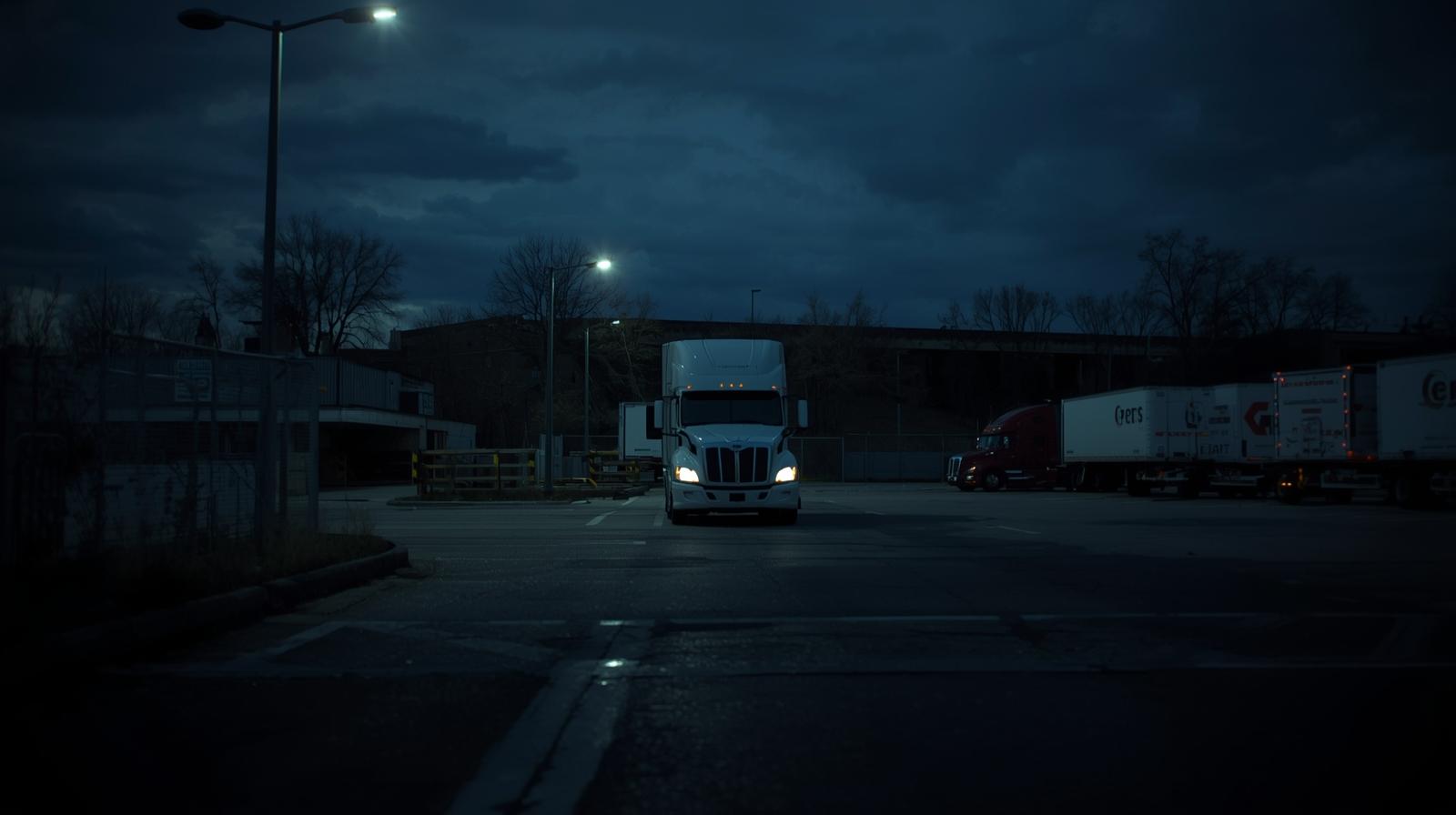
Reinventing Truck & Trailer Parking: Bold Innovations Driving a Safer, Faster, and More Efficient Freight Industry
For decades, truck and trailer parking has been treated as an afterthought—something drivers simply had to “figure out” during long hauls. But today’s freight landscape is changing faster than ever. Demand for trucking continues to surge, delivery expectations tighten, urban congestion intensifies, and Hours-of-Service rules remain non-negotiable. In the middle of this complex, high-pressure environment sits one often underestimated issue: find, reliable, and accessible truck parking.
It’s no longer a minor inconvenience. It’s a problem reshaping operations, driver health, safety, and supply-chain performance.
In this article, we look at the new era of truck and trailer parking—how the industry is adapting, which innovations matter most, and what fleets and drivers can do to stay ahead in this rapidly shifting space.
The New Reality: Why Parking Is Now a Top Priority in Trucking
Truck parking shortages aren’t new, but the stakes are now significantly higher. Increased freight volume, rising crime rates targeting cargo, and urban development are tightening restrictions around where commercial vehicles can park.
1. Freight Growth Overwhelmed Existing Parking Capacity
E-commerce has doubled in the last decade, pushing more trucks onto the road without expanding rest-stop or overnight parking facilities. Demand is outpacing supply by thousands of spaces nationwide.
2. Rising Cargo Theft Raises Security Concerns
Cargo theft and trailer break-ins have grown sharply, especially in unsecured industrial corridors. Drivers need safety—not just a place to stop.
3. Stricter Urban Ordinances Shrink Available Options
Many cities have banned overnight truck parking on streets, public lots, and business centers. Drivers passing through high-density regions must plan meticulously.
4. Hours-of-Service (HOS) Tension Intensifies
When the clock runs out, drivers must stop. But the lack of nearby parking creates an environment where drivers may feel forced to break rules or settle for unsafe locations.
Parking has evolved from a minor challenge into a critical operational risk that affects efficiency, safety, morale, and profitability.
The Human Side of the Parking Crisis
Behind the statistics are real people dealing with daily struggles on the road.
Drivers consistently report:
Stress during end-of-shift
Anxiety when traveling unfamiliar regions
Fear for personal safety at night
Exhaustion from searching for hours for legal spots
Frustration with inconsistent enforcement of city rules
Parking directly impacts sleep quality, energy levels, mental well-being, and long-term job satisfaction. A tired or anxious driver is a dangerous situation no fleet can afford.
How Parking Challenges Hit Fleets and Operators Hard
Parking isn’t just a driver inconvenience—it’s a company-wide bottleneck.
1. Delays Ripple Through the Supply Chain
If a driver can't park near a pickup, morning appointments get pushed back, delaying freight movement.
2. Unpredictable Schedules Kill Efficiency
A route optimized for mileage means nothing if the driver must detour 30 miles to find parking.
3. Rising Insurance Risks
Parking in unsafe areas increases:
Break-ins
Cargo loss
Tractor/trailer tampering
Accidental collisions
Insurance premiums follow suit.
4. Recruiting Becomes Even Harder
When parking becomes a constant source of agitation, good drivers leave the industry—and fewer new ones join.
Solving the parking problem doesn’t just help drivers; it strengthens the entire supply chain.
Innovations Reshaping Truck & Trailer Parking Today
The good news? The industry is entering a new age of parking solutions, driven by technology, private investment, and creative thinking.
1. Parking Reservation Networks
Drivers can now book spaces ahead of time—just like hotels or flights. These platforms offer:
Real-time availability
Instant reservations
Amenity filters
GPS routing
Customer reviews
This eliminates guesswork and reduces dangerous last-minute decisions.
2. Smart Parking Lot Sensors
Some facilities use sensors embedded in the ground to detect open spaces and broadcast availability in real time. No more circling the lot. Drivers see exactly what’s open.
3. Paid Secure Parking Centers
High-security lots are becoming more common, offering:
24/7 surveillance
Fenced, gated access
On-site personnel
Lighting throughout
Reserved or drive-in spots
Fuel and maintenance services
Drivers gain peace of mind—and fleets lose fewer assets.
4. Repurposed Industrial Spaces
A growing trend: converting unused commercial land into truck parking. From old shipping yards to empty retail parking lots, these locations offer new capacity where parking is needed most.
5. Drop Yard Networks
Fleets increasingly build or rent yard space specifically for:
Trailer drops
Overnight parking
Pre-stage positioning near delivery hubs
This improves efficiency and reduces downtime.
Effective Strategies Drivers Can Use to Outsmart Parking Challenges
Regardless of the challenges, drivers can dramatically improve their parking experiences using smart strategies.
1. Plan Your Stops Before You Roll
Identify:
Primary parking locations
Backup options
Emergency stops
High crime areas to avoid
Planning saves time, money, and stress.
2. Adjust Driving Patterns to Avoid Peak Parking Times
Parking lots are busiest between 6 PM and 10 PM. Drivers can shift to early departures or night-driving strategies to beat the crowd.
3. Use Reservation Services
Booking ahead ensures a guaranteed safe spot—even in high-traffic regions.
4. Build a Personal Parking Map
Experienced drivers keep track of:
Hidden gems
Safe industrial zones
Reliable paid lots
Yard sharing opportunities
Personal intelligence is priceless.
5. Never Compromise on Safety
If a location looks suspicious—leave. No load is worth the risk of theft or personal danger.
How Fleets Can Take Control of the Parking Issue
Forward-thinking fleets know that solving parking challenges increases retention, efficiency, and safety.
1. Incorporate Parking Planning Into Routing Software
Modern tools allow dispatch to pre-plan safe locations along the route.
2. Fund Reserved Parking for Drivers
A small investment prevents major losses caused by unsafe parking.
3. Create Fleet-Specific Parking Yards
Even small properties can provide massive operational advantages.
4. Train Dispatchers to Recognize Parking Limitations
Understanding peak times and high-risk areas improves scheduling accuracy.
5. Incentivize Safe Parking Behavior
Rewarding drivers for safe parking practices fosters long-term cultural change.
The Future of Truck Parking: What’s Coming Next
Parking is evolving, and the next decade will bring even more exciting changes.
1. Integrated Navigation + Parking Reservation Systems
Trucks will soon recommend parking stops automatically, based on:
Distance
Time left on HOS
Real-time availability
Driver preferences
Parking planning will become seamless.
2. Fully Automated Parking Facilities
Think:
Digital gates
Automatic spot assignment
App-based check-in/out
Cameras monitoring every corner
Security and convenience will dramatically improve.
3. Federal and State Investments in Parking Expansion
Government funding is now flowing into:
New rest areas
Expanded truck stops
Technology upgrades
Safety monitoring
Thousands of new spaces will arrive over the next few years.
4. EV-Charging Parking Hubs for Electric Trucks
As electric trucks grow, parking areas will double as charging stations—turning downtime into recharge time.
5. High-Tech “Mega Rest Centers”
Future hubs may include:
Gyms
On-site mechanics
Restaurants
Sleep pods
Package lockers
Wellness services
Parking becomes a destination, not a compromise.
Final Thoughts: The Parking Revolution Has Already Begun
Truck and trailer parking may be one of the oldest challenges in freight transportation—but now it's undergoing a transformation unlike anything the industry has seen before. With better technology, smarter planning, and innovative facilities emerging nationwide, drivers and fleets are finally getting the tools they’ve needed for decades.
Parking won’t disappear as a challenge overnight—but the industry is moving toward a future where drivers feel safer, fleets operate more efficiently, and the supply chain runs smoother than ever.
A new era of truck and trailer parking is here—and it’s stronger, smarter, and more secure than anything that came before it.




0 Comments