
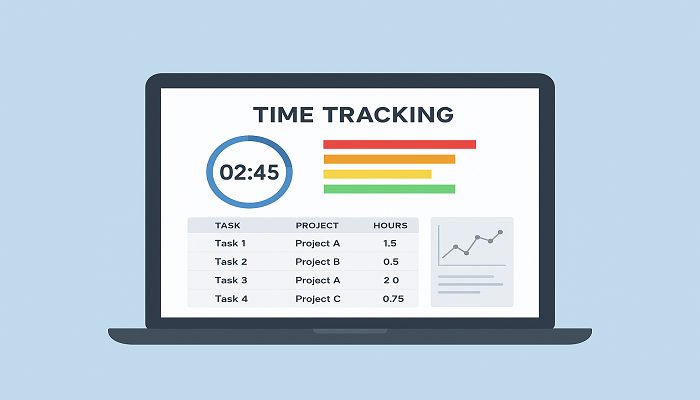
Transforming Workplace Culture Through Time Tracking Software Awareness
In today’s competitive business environment, organizations across industries are seeking ways to boost productivity, retain talent, and cultivate positive workplace culture. One powerful yet often underestimated tool for achieving these goals is time tracking software. While many people associate time tracking with micromanagement or clock‐watching, its real value lies in increasing awareness—awareness of how employees work, how processes flow, and how time is ultimately invested. With the right mindset and implementation, time tracking software can transform workplace culture in meaningful and lasting ways.
At its core, time tracking is not about policing employees—it’s about creating visibility. Many companies struggle with inefficiencies simply because they don’t know where time is going. Teams may think they are stretched thin, yet after introducing time tracking, discover that hours are being lost to unproductive meetings or unclear task prioritization. By shining a spotlight on daily workflows, organizations get a clearer picture of what drives productivity and what hinders it. This awareness empowers leaders to streamline processes and encourages employees to identify ways to improve their own work patterns.
Another significant cultural shift driven by time tracking software is accountability. When employees have access to transparent data about their tasks and time, they gain ownership of their efforts. Deadlines feel more manageable, and expectations clearer. Rather than relying on assumptions or memory, teams can reference accurate information about workloads and timelines. This level of accountability nurtures trust across departments because everyone is working with the same reliable data.
Time tracking also helps foster fairness and recognition. In many workplaces, the hardest‐working employees may go unnoticed simply because their contributions happen behind the scenes. With time tracking, managers can pinpoint who is taking on extra responsibilities and provide support or acknowledgment where necessary. Likewise, it becomes easier to ensure workloads are distributed evenly. No one feels overburdened or overlooked, and morale increases when everyone sees that their efforts matter.
Work–life balance is another area positively impacted by time tracking awareness. Burnout is often not a result of long hours alone, but a lack of insight into where time is spent. With software guiding planning and prioritization, employees can manage their days more efficiently and avoid last‐minute rushes or chronic overtime. Leaders can use this data to identify systemic issues, such as unrealistic expectations or poorly planned projects, and fix them before they impact morale.
To successfully transform culture with time tracking software, communication is key. Employees should understand that the tool is not designed to monitor them, but to help them. When companies emphasize the collaborative benefits—greater transparency, reduced stress, improved workflows—adoption becomes much smoother.
Ultimately, time tracking software is far more than a digital punch clock. It is a strategic asset that brings clarity to operations and empowers people at every level. By creating awareness of how time is used, organizations can make smarter decisions, improve collaboration, and build a healthier, more productive workplace culture.





0 Comments