
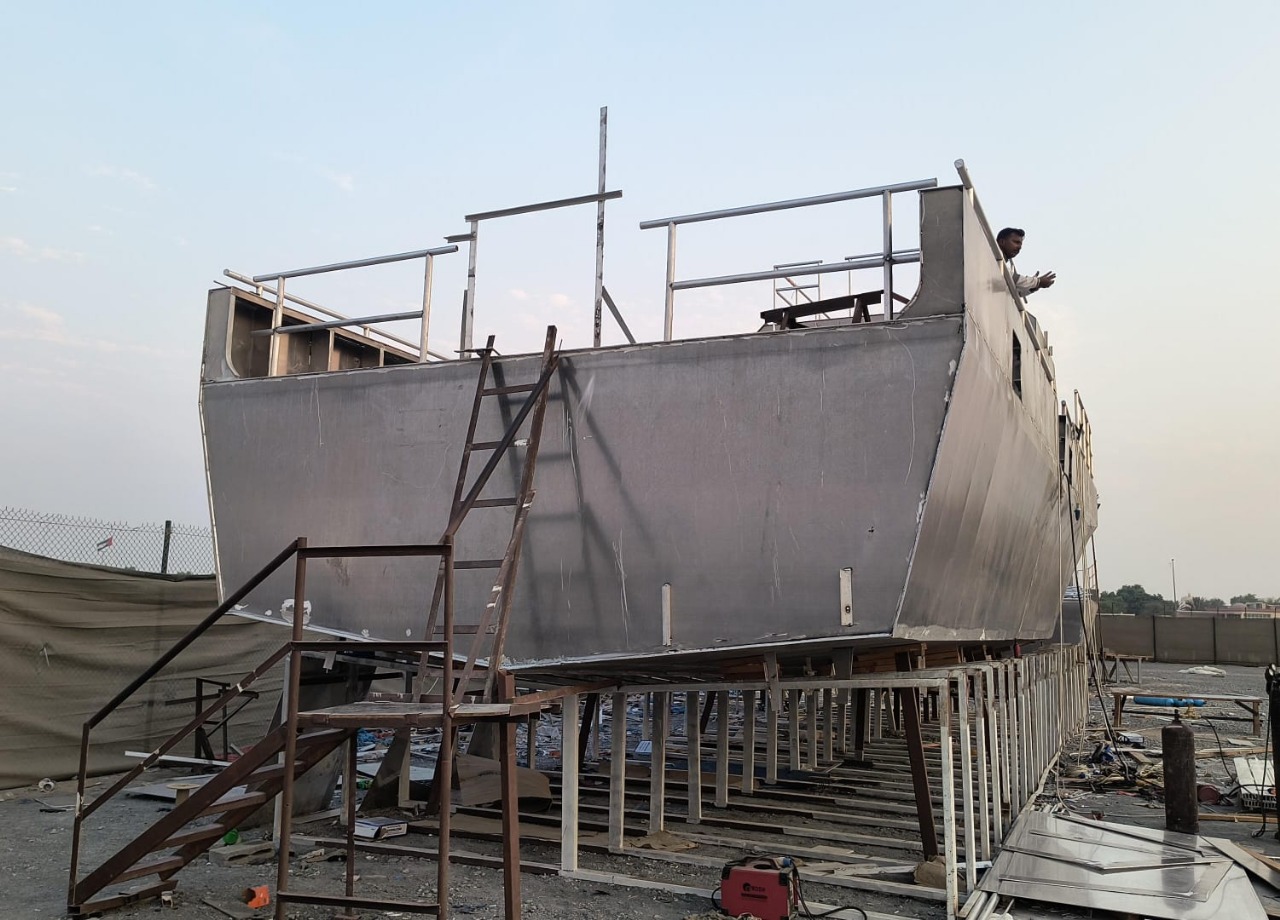
How Aluminium Boat Builders Are Shaping the Future of Marine Industry
The marine industry has been witnessing a transformative shift over the past decade, largely due to the advancements introduced by aluminium boat builders. Aluminium, as a construction material, has redefined how boats are designed, manufactured, and operated, making them more efficient, durable, and environmentally friendly. Companies like VU Marine are at the forefront of this evolution, offering innovative solutions that are changing the dynamics of commercial and recreational boating worldwide.
Lightweight yet Strong: The Core Advantage
One of the primary reasons aluminium is gaining popularity among boat builders is its exceptional strength-to-weight ratio. Traditional steel or fiberglass vessels, though durable, tend to be heavy, which can limit speed, fuel efficiency, and cargo capacity. Aluminium boats, on the other hand, are significantly lighter. According to industry statistics, aluminium vessels can be up to 50% lighter than steel counterparts of similar size and capacity. This weight reduction translates into better fuel efficiency, reduced operational costs, and increased payload capacity, which is especially beneficial for commercial marine operations.
Durability and Longevity in Harsh Conditions
Aluminium’s resistance to corrosion is another major advantage that modern aluminium boats manufacturers emphasize. Saltwater is notoriously harsh on marine vessels, often causing rust and structural degradation over time. Aluminium naturally forms a protective oxide layer, preventing corrosion and significantly extending the lifespan of boats. Research shows that properly maintained aluminium vessels can last 25–30 years or more, whereas traditional fiberglass boats may require significant maintenance or replacement within 15–20 years. For companies investing in marine assets, this durability reduces long-term costs and improves return on investment.
Efficiency and Performance Enhancements
Aluminium boat building techniques are also driving significant performance improvements. Lighter hulls allow for faster speeds and more agile maneuvering, which is crucial for tugs, pilot boats, and rescue vessels. Studies have shown that aluminium vessels consume 20–30% less fuel compared to equivalent steel or fiberglass boats due to reduced drag and weight. In commercial shipping and marine logistics, these savings can translate into millions of dollars annually. Moreover, aluminium’s adaptability allows for precise hull shaping, improving hydrodynamics and reducing resistance in water.
Environmental Impact and Sustainability
Sustainability is becoming an essential factor in the marine industry, and boat building company practices are evolving to meet these demands. Aluminium is 100% recyclable without loss of material properties, making it an eco-friendly choice compared to traditional materials. The marine industry is under pressure to reduce carbon emissions, and the use of lighter, more fuel-efficient aluminium vessels directly contributes to this goal. According to recent marine environmental studies, switching to aluminium boats can reduce carbon emissions by 15–25% per vessel over its operational lifetime. Companies like VU Marine are actively integrating sustainable practices, ensuring that marine operations meet modern environmental standards while maintaining efficiency.
Innovation in Design and Customization
Another significant contribution of aluminium boat builders is in the area of design flexibility. Aluminium is highly malleable, which allows builders to create custom hull shapes, innovative superstructures, and modular designs tailored to specific marine applications. For instance, patrol boats, ferries, and offshore service vessels can be designed with unique specifications that optimize performance, safety, and passenger comfort. This level of customization was harder to achieve with traditional materials, positioning aluminium boat builders as leaders in modern marine innovation.
Cost-Effectiveness and Maintenance Benefits
While aluminium vessels may have a higher initial cost compared to fiberglass, the long-term financial benefits outweigh the upfront investment. The low maintenance requirements, combined with improved fuel efficiency and longer operational lifespan, result in lower total cost of ownership. Marine operators report savings of up to 30% over a 10-year period when switching to aluminium boats. Additionally, aluminium’s resistance to denting and impact damage reduces repair costs, making it a practical choice for commercial marine operators working in demanding environments.
Safety and Regulatory Compliance
Safety is a critical aspect of modern boat construction, and aluminium offers several advantages in this regard. Aluminium hulls have excellent structural integrity and are less prone to catastrophic failure during collisions or groundings. The material’s high tensile strength ensures that vessels can withstand heavy loads and harsh sea conditions. Furthermore, aluminium boat builders are aligning their designs with international safety standards, including ISO and SOLAS regulations, ensuring that vessels are both reliable and compliant.
VU Marine: Pioneering the Aluminium Boat Revolution
Among the key players driving this transformation is VU Marine, which has consistently delivered high-quality aluminium vessels for commercial, industrial, and recreational purposes. By combining cutting-edge design software, advanced welding techniques, and sustainable practices, VU Marine demonstrates how aluminium boat builder company initiatives are shaping the future of the marine industry. Their vessels exemplify the perfect blend of durability, efficiency, and environmental responsibility, setting new benchmarks for the global marine sector.
Future Trends in Aluminium Boat Building
Looking ahead, aluminium boat builders are expected to continue driving innovation in several key areas:
- Hybrid and Electric Propulsion – Aluminium’s lightweight nature makes it ideal for integrating electric motors and hybrid propulsion systems, reducing reliance on fossil fuels.
- Advanced Composite Integration – Combining aluminium with other composites can further enhance strength, reduce weight, and improve energy efficiency.
- Smart Marine Technology – Aluminium boats are increasingly being equipped with IoT sensors, navigation systems, and automated controls, enhancing operational safety and efficiency.
- Global Adoption – With ports and coastal authorities worldwide encouraging greener operations, aluminium vessels are likely to see increasing demand in commercial fleets, passenger ferries, and offshore support vessels.
Conclusion
Aluminium boat builders are undeniably reshaping the marine industry by introducing vessels that are lighter, stronger, more fuel-efficient, and environmentally sustainable. The combination of durability, performance optimization, and design flexibility ensures that aluminium boats meet the diverse needs of modern marine operations. Companies like VU Marine exemplify this transformation, setting high standards for innovation, sustainability, and efficiency. As the industry moves toward greener and smarter solutions, aluminium boat builders will continue to play a pivotal role in defining the future of marine transport and operations.
With the growing demand for high-performance, low-maintenance, and eco-friendly vessels, aluminium boat builders are not just responding to market needs—they are shaping the next generation of marine industry standards. The future of boating is lighter, faster, greener, and stronger, thanks to the continued efforts of innovators in aluminium boat construction.





0 Comments