
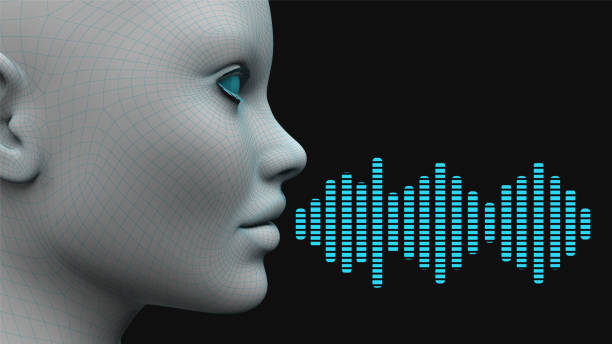
Can AI Sound Human During Real Phone Conversations?
Phone conversations remain a critical communication channel for businesses. Despite digital growth, customers still prefer calling when they need clarity or urgency. Because of this, the way a business sounds on the phone directly affects trust and credibility. If the interaction feels robotic or disconnected, callers may disengage quickly.
For many years, automated phone systems struggled to sound natural. Early systems relied on rigid scripts and mechanical voices. These limitations made conversations frustrating and impersonal. As customer expectations increased, businesses began searching for better solutions that felt more human and engaging.
Today, AI technology has reshaped this experience. A modern call answering service powered by advanced AI can now speak naturally, understand context, and respond smoothly. These systems no longer sound stiff or scripted. Instead, they mimic human conversation patterns, creating interactions that feel familiar and comfortable for callers.
Why Sounding Human Matters in Phone Conversations
Sounding human is essential for building trust. When callers hear a warm, natural voice, they feel acknowledged. This emotional connection encourages them to stay engaged in the conversation.
Human-like communication also reduces frustration. Callers are more patient when responses feel conversational. If the system sounds robotic, users may assume their issue will not be resolved properly.
Additionally, tone and pacing influence perception. A calm, polite voice reflects professionalism. Businesses that sound human appear more approachable, reliable, and customer-focused.
How AI Generates Human-Like Speech
Modern AI uses advanced text-to-speech technology to generate realistic voices. These voices include natural pauses, varied intonation, and emotional nuance. As a result, speech feels fluid rather than mechanical.
Natural language processing allows AI to understand sentence structure and context. This helps AI respond appropriately instead of repeating scripted phrases. Conversations become dynamic and adaptive.
Furthermore, AI models are trained on thousands of real conversations. This training helps them replicate how humans naturally speak, listen, and respond during phone calls.
Understanding Context and Intent
Sounding human is not just about voice quality. Understanding intent plays an equally important role. AI listens carefully to what callers say and analyzes meaning in real time.
Context awareness allows AI to adjust responses naturally. If a caller sounds confused, AI slows down and clarifies. If urgency is detected, responses become more direct and efficient.
By understanding intent, AI avoids awkward or irrelevant replies. Conversations flow smoothly, which strengthens the human-like experience.
Adapting to Different Speaking Styles
People speak differently depending on region, emotion, or situation. Advanced AI systems are designed to adapt to these variations. They recognize accents, speech speed, and phrasing patterns.
This adaptability helps AI respond appropriately. A fast-talking caller receives concise responses. A hesitant caller receives reassurance and guidance.
Such flexibility makes interactions feel natural. Callers often forget they are speaking to AI, which demonstrates how realistic these systems have become.
Managing Natural Conversation Flow
Human conversations are not perfectly structured. People interrupt, pause, or change topics. AI systems now manage these shifts effectively.
AI can handle interruptions without restarting conversations. It remembers context and continues naturally. This ability prevents frustration and repetition.
Additionally, AI uses conversational fillers and polite acknowledgments. Phrases like “I understand” or “Let me help with that” improve realism without sounding scripted.
Reducing Robotic Responses
Early AI systems relied heavily on predefined scripts. Modern AI moves beyond rigid responses. It generates answers dynamically based on conversation context.
Dynamic responses reduce repetition. Callers do not hear the same phrases repeatedly. This variation makes conversations feel more genuine.
By avoiding scripted behavior, AI maintains a natural rhythm. This rhythm closely mirrors human interaction patterns.
Emotional Awareness in AI Conversations
Emotion plays a major role in human communication. AI now detects emotional cues through tone and word choice. This detection allows more empathetic responses.
If frustration is detected, AI responds calmly and supportively. If excitement is present, responses become more upbeat. These adjustments enhance connection.
Emotional awareness helps AI build rapport. Callers feel understood, which increases satisfaction and trust.
Supporting Human Agents Seamlessly
Even advanced AI knows when human involvement is necessary. Complex or sensitive issues are transferred smoothly to human agents.
Because AI gathers context beforehand, human agents are well prepared. Callers do not need to repeat information. This continuity improves experience.
The transition feels natural rather than disruptive. This cooperation between AI and humans strengthens overall communication quality.
Improving Customer Confidence and Engagement
When AI sounds human, customers feel more confident engaging with it. They ask questions freely and provide information comfortably.
Higher engagement leads to better outcomes. Calls are completed instead of abandoned. Customers feel reassured throughout the interaction.
Over time, consistent positive experiences build loyalty. Customers trust businesses that communicate clearly and naturally.
Addressing Common Concerns About AI Voices
Some callers worry about authenticity when speaking to AI. However, modern AI addresses these concerns through transparency and quality.
Clear communication reassures callers that assistance is effective. AI does not pretend to be human but sounds natural enough to communicate smoothly.
As technology improves, skepticism continues to decline. Many callers already interact with AI daily without realizing it.
Future of Human-Like AI Conversations
AI voice technology continues evolving rapidly. Future systems will include deeper emotional understanding and even more natural speech patterns.
Predictive conversation flow will allow AI to anticipate needs. Responses will feel increasingly intuitive and personal.
As adoption grows, human-like AI conversations will become the norm rather than the exception.
Conclusion
AI has made remarkable progress in sounding human during real phone conversations. Through advanced speech synthesis, context awareness, and emotional understanding, AI delivers natural interactions.
Modern systems communicate clearly, adapt to callers, and manage conversations smoothly. These capabilities reduce frustration and build trust.
As AI technology advances further, the line between human and AI communication will continue to blur. Businesses that embrace this evolution create better experiences, stronger relationships, and long-term success.





0 Comments