
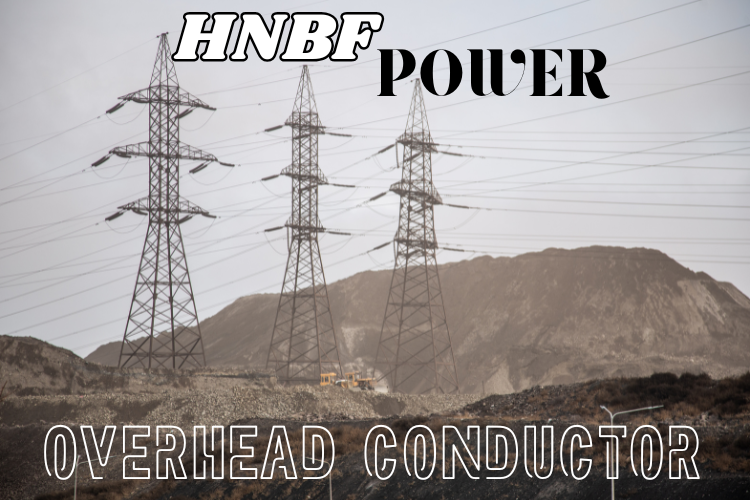
A Practical Guide : Engineer Tips for Using Overhead Conductors
In modern power transmission and distribution, selecting the right overhead conductor is critical for efficiency, reliability, and long-term performance. Whether you are an electrical engineer, utility procurement professional, or EPC contractor, understanding the technical nuances of overhead conductors can optimize your project outcomes. HNBF Power, a global manufacturer of high-quality overhead conductors and power cables, offers a range of solutions, including AAC, AAAC, ACSR, ABC, and LV power cables, designed to meet demanding industrial standards.
This guide will provide engineers with practical tips for using overhead conductors effectively and safely.
What Are Overhead Conductors?
Overhead conductors are wires or cables used to transmit and distribute electrical power above the ground. They form the backbone of power grids, ensuring electricity reaches residential, commercial, and industrial consumers efficiently. Unlike underground cables, overhead conductors are suspended on poles or towers, offering ease of installation, maintenance, and cost-effective long-distance transmission.
Key types of overhead conductors include:
AAC (All Aluminium Conductor): Ideal for low-voltage, short-distance distribution. Lightweight and corrosion-resistant.
AAAC (All Aluminium Alloy Conductor): Offers higher strength than AAC, suitable for medium-voltage transmission lines.
ACSR (Aluminium Conductor Steel Reinforced): Combines aluminum for conductivity and steel for strength, perfect for long-distance and high-tension lines.
ABC (Aerial Bundled Cable): Designed for urban areas, minimizing outages and improving safety with bundled insulation.
HNBF Power specializes in these overhead conductors, manufactured to international quality standards to ensure optimal performance under various environmental conditions.
Engineer Tips for Selecting the Right Overhead Conductor
1. Consider Load and Voltage Requirements
Before selecting a conductor, evaluate your project’s load demands and voltage levels. For high-voltage transmission, ACSR conductors are preferred due to their strength and ability to span long distances without excessive sag. For low-voltage urban distribution, ABC or AAC conductors can reduce installation complexity and improve safety.
2. Account for Environmental Conditions
Overhead conductors are exposed to weather, pollution, and mechanical stress. Coastal or industrial areas may accelerate corrosion, making AAAC or ACSR conductors more suitable. HNBF Power designs conductors to withstand environmental challenges, ensuring long-term reliability.
3. Optimize Conductor Size and Sag
The size of the conductor affects current-carrying capacity, voltage drop, and mechanical sag. Oversized conductors reduce losses but increase cost, while undersized conductors risk overheating. Engineers should use standard calculation methods to determine the optimal conductor size and consider the installation height, span length, and tension.
4. Prioritize Safety and Regulatory Compliance
All overhead conductors must comply with international and regional standards, such as IEC, ASTM, and IS codes. HNBF Power’s products are tested to meet these standards, offering safety, durability, and minimal maintenance requirements. Always check insulation, clearances, and installation guidelines to prevent electrical hazards.
5. Plan for Maintenance and Accessibility
Engineers should design lines with accessibility in mind for inspections and repairs. Overhead conductors require regular maintenance for corrosion, wear, and mechanical damage. Choosing high-quality conductors like those from HNBF Power can reduce maintenance frequency and ensure reliable operation for decades.
Installation Best Practices for Engineers
Proper Tensioning
Incorrect tensioning can cause excessive sag or mechanical failure. Use calibrated tensioning equipment and follow manufacturer guidelines.
Correct Spacing
Maintain appropriate conductor spacing to prevent short circuits and allow for thermal expansion.
Grounding and Lightning Protection
Ensure proper grounding and lightning arrestor installation to protect both the conductor and downstream infrastructure.
Routine Inspection
Schedule periodic inspections to detect wear, corrosion, or mechanical damage early. HNBF Power offers technical support to guide engineers through maintenance strategies.
FAQs About Overhead Conductors
Q1: What is the main difference between AAC and ACSR conductors?
A: AAC is pure aluminum, ideal for low-voltage distribution, while ACSR combines aluminum for conductivity and steel for strength, suitable for high-voltage and long-distance transmission.
Q2: Can ABC conductors be used in rural areas?
A: Yes, ABC conductors improve safety and reduce outages but are often more suitable for urban areas with shorter spans and higher reliability requirements.
Q3: How long do overhead conductors typically last?
A: With proper installation and maintenance, high-quality conductors from HNBF Power can last 25–40 years depending on environmental conditions.
Q4: Are overhead conductors recyclable?
A: Yes, aluminum and steel conductors are fully recyclable, making them a sustainable choice for modern power infrastructure.
Q5: How do I choose the right conductor size for my project?
A: Consider load, voltage, span length, and environmental conditions. HNBF Power provides technical guidance and calculations to help engineers select the optimal size.
Conclusion
Overhead conductors are the lifeline of power transmission and distribution systems. Choosing the right type, size, and installation method ensures efficiency, safety, and long-term reliability. By following these engineer tips and leveraging HNBF Power’s range of high-quality conductors, engineers and procurement professionals can optimize their power projects for performance and durability.
For customized solutions and technical assistance, contact HNBF Power today to discuss your project requirements and explore our full range of overhead conductors and power cables.





0 Comments