
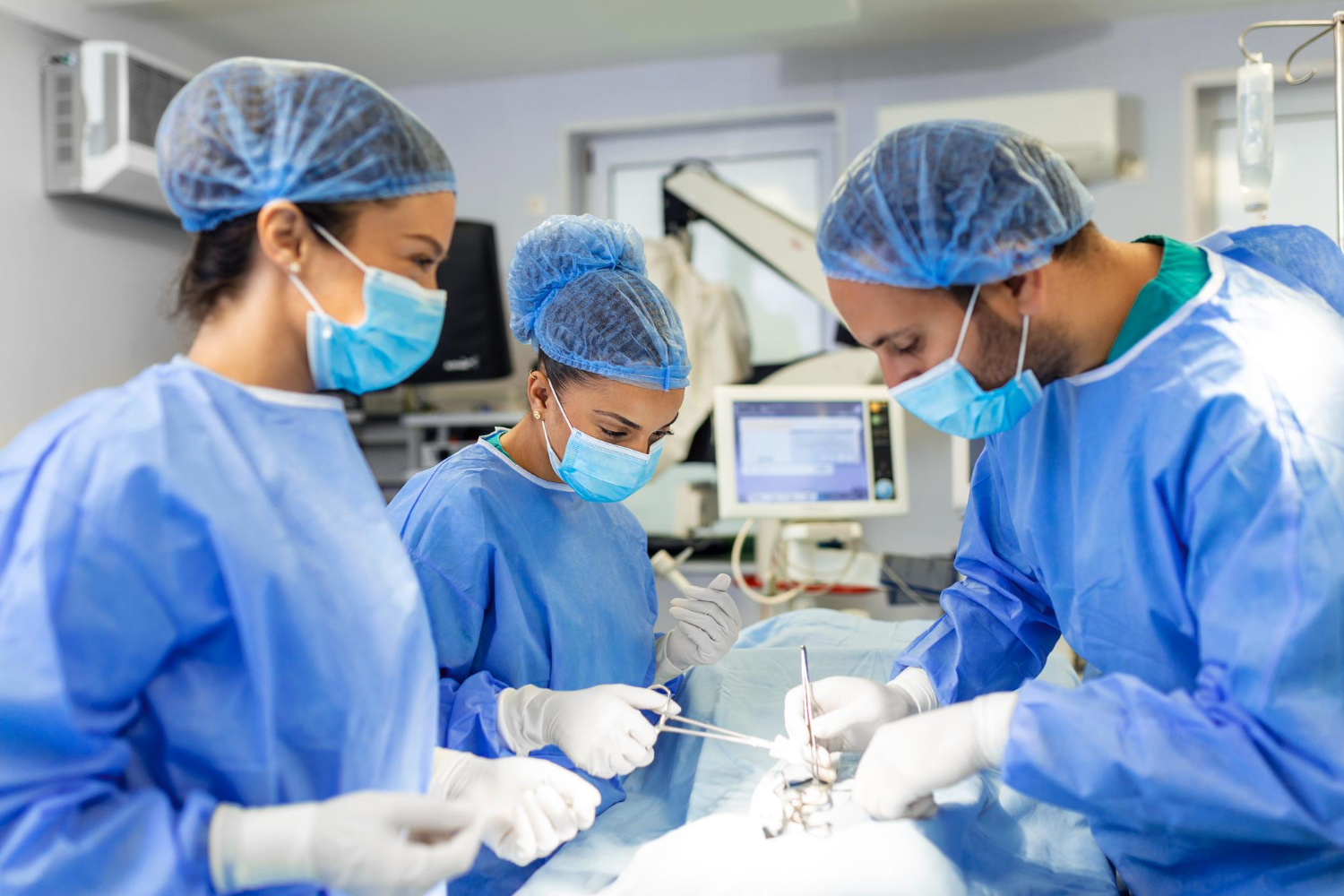
How Realistic Laparoscopic Simulators Are Shaping the Future of Surgery
In the ever-evolving healthcare landscape, surgical training has undergone a remarkable transformation. The traditional methods of learning, often reliant on observing senior surgeons, cadaveric dissections, and limited hands-on practice, are no longer sufficient to meet the growing complexities of modern medicine. With technology advancing at a rapid pace, the focus has shifted toward safer, more sophisticated, and highly effective training approaches.
Among the many innovations shaping the future of surgery, realistic laparoscopic simulators stand out as one of the most impactful. These advanced training platforms are helping bridge the gap between theoretical knowledge and practical expertise, preparing surgeons to perform minimally invasive procedures with confidence, precision, and a deep commitment to patient safety.
What Are Laparoscopic Simulators?
Laparoscopic simulators are specialized training devices designed to replicate the experience of performing minimally invasive surgeries. Unlike traditional open surgeries, laparoscopic procedures require surgeons to operate through small incisions using long, slender instruments and a laparoscopic camera for visualization. While this technique offers tremendous benefits to patients, such as faster recovery times, minimal scarring, and reduced pain, it also presents unique challenges for surgeons.
The confined space, restricted visibility, and reliance on indirect imaging make laparoscopic surgery far more complex to master than conventional techniques. This is where simulators step in.
By mimicking real surgical environments, laparoscopic simulators allow medical trainees and practicing surgeons to:
- Practice essential surgical techniques like suturing, tissue dissection, and knot tying.
- Master the use of laparoscopic instruments in a controlled, risk-free environment.
- Gain exposure to a wide range of clinical scenarios before entering the operating theater.
Modern simulators come equipped with lifelike anatomical models, flexible port placements, real-time performance feedback, and even AI-based analytics to assess skill development. These features ensure that every session contributes meaningfully to skill acquisition and confidence building.
Why Realism Matters in Surgical Simulation
The success of laparoscopic training hinges on how realistic the simulation feels. Surgical precision is critical, particularly in laparoscopic procedures where visibility is limited and the margin for error is extremely small.
Realistic simulators create an immersive experience that trains surgeons not only in the technical aspects of surgery but also in decision-making, coordination, and adaptability. The more life-like the simulator, the more effectively it prepares the learner for real-world surgical challenges.
Key Elements That Contribute to Realism:
Near-Real Anatomical Models
- Provide hands-on experience that closely resembles human anatomy.
- Help trainees understand tissue layers, vascular structures, and organ orientation.
Inbuilt Insufflation Systems
- Simulate pneumoperitoneum, the process of insufflating the abdomen with carbon dioxide to create working space.
- Allow learners to experience and adjust to the changes in anatomy caused by insufflation.
Tactile Feedback
- Mimics tissue resistance and instrument responses.
- Trains surgeons to apply the right force and pressure, reducing the risk of tissue damage in live surgeries.
Visual Accuracy
- Replicates laparoscopic camera views, complete with depth perception and a limited field of vision.
- Prepares surgeons for the challenges of navigating inside the body with only a camera as their guide.
By integrating these elements, simulators ensure that trainees develop both technical dexterity and the confidence to apply their skills safely in clinical settings.
Bridging the Gap Between Theory and Practice
One of the most persistent challenges in surgical education is moving from classroom-based theoretical knowledge to hands-on surgical practice. Reading about procedures or watching surgical demonstrations provides foundational knowledge, but it does not translate into actual skill.
Laparoscopic simulators solve this problem by creating a bridge between theory and practice.
Mistakes without Consequences
Surgeons-in-training can attempt procedures multiple times, make errors, and learn from them without compromising patient safety.
Repetition for Mastery
Learners can practice repeatedly until they achieve a level of competence and consistency.
Real-Time Feedback
Many simulators provide instant performance evaluations, highlighting areas such as precision, instrument handling, and completion time.
This structured approach accelerates learning, builds muscle memory, and significantly shortens the time it takes for a trainee to transition into performing actual surgeries.
Enhancing Patient Safety
Patient safety lies at the heart of healthcare. With laparoscopic simulators, surgical training becomes safer not just for learners but also for future patients.
Simulators contribute to improved surgical outcomes in several ways:
Error Reduction
Trainees gain enough exposure during simulation to avoid common mistakes in live procedures.
Shortened Learning Curve
Complex procedures that once took years to master can now be learned more efficiently with structured simulation practice.
Preparedness for Real Cases
Surgeons trained with simulators are more likely to enter the operating room fully prepared, with refined motor skills and problem-solving abilities.
Ultimately, patients benefit from shorter surgery times, reduced complications, and faster recovery, all thanks to the skills surgeons gain from realistic training.
Supporting Continuous Professional Development (CPD)
The journey of a surgeon doesn’t end with residency. Medicine, especially surgical practice, is constantly evolving with new techniques, tools, and procedures emerging regularly.
Laparoscopic simulators support continuous professional development by providing an avenue for lifelong learning:
- Experienced surgeons can refine existing skills to maintain high standards.
- They can learn new techniques as medical technology advances.
- Hospitals and training institutions can incorporate simulators into professional workshops to keep their surgical teams updated.
By fostering a culture of ongoing education, simulators ensure that both junior and senior surgeons stay competent, confident, and aligned with the latest advancements in healthcare.
The Role of Technology in Shaping the Future
The future of laparoscopic simulation looks even more promising with the integration of emerging technologies.
Virtual Reality (VR)
- Offers an immersive, 360-degree surgical environment.
- Helps replicate rare or complex scenarios that may not be frequently encountered in clinical practice.
Augmented Reality (AR)
Enhances real anatomical models with digital overlays, providing real-time guidance and visual aids during simulation.
Artificial Intelligence (AI)
- Tracks and analyzes surgeon performance to identify strengths and weaknesses.
- Provides personalized training recommendations to optimize skill development.
Cloud-Based Platforms
- Allow surgeons to access training modules remotely.
- Facilitate data sharing, benchmarking, and collaboration across institutions globally.
As these technologies advance, laparoscopic simulators will become even more realistic, accessible, and effective, cementing their role as indispensable tools in surgical training.
Integration into Medical Institutions
For simulators to have maximum impact, they must be seamlessly integrated into medical education and hospital training programs.
- Medical Schools can use simulators to expose students to laparoscopic techniques early in their careers.
- Residency Programs can include structured simulator-based training to ensure competence before clinical practice.
- Hospitals can adopt simulators for ongoing training and skill refinement for practicing surgeons.
- Medical Device Companies can collaborate with healthcare institutions to develop and supply advanced simulators tailored to specific specialties.
Such integration not only enhances learning but also ensures consistency in the quality of care delivered by surgeons worldwide.
Conclusion
Realistic laparoscopic simulators are far more than training tools; they represent a paradigm shift in how surgeons learn, practice, and deliver care. By combining lifelike anatomy, immersive environments, and cutting-edge technology, simulators provide a safe, effective, and patient-centered approach to skill development.
They bridge the gap between theory and practice, enhance patient safety, support lifelong learning, and prepare surgeons for the rapidly advancing future of medicine.
As healthcare continues its digital transformation, simulation-based training will no longer be optional; it will be an absolute necessity. Medical institutions, healthcare professionals, and device manufacturers must collaborate to ensure these tools are widely accessible and effectively utilized.
The future of surgery is being shaped today, and realistic laparoscopic simulators are at the heart of this transformation. By empowering the next generation of surgeons with confidence, precision, and compassion, they are revolutionizing not just surgical training but healthcare itself.





0 Comments