
Comme des Garçons: Redefining Fashion and Creativity
Comme des Garçons is one of the most influential and innovative fashion brands in the world known for its avant-garde approach and boundary-pushing designs. Founded in Tokyo in 1969 by designer Rei Kawakubo the brand has continuously challenged conventional ideas of beauty and fashion. Unlike traditional fashion houses that focus on commercial appeal and wearable aesthetics Comme des Garçons embraces experimental forms conceptual designs and artistic expressions that redefine how clothing is perceived.
The name Comme des Garçons translates to Like Boys reflecting a rebellious spirit that often defies gender norms. The brand is celebrated not only for its striking collections but also for its philosophy that clothing is a medium for self-expression and intellectual exploration. Over decades Comme des Garçons has built a legacy of innovation influencing generations of designers and fashion enthusiasts around the world.
The Vision of Rei Kawakubo
Rei Kawakubo is the creative force behind Comme des Garçons and is recognized as one of the most visionary designers of the twentieth and twenty first centuries. Her approach to fashion is deeply conceptual often treating garments as art pieces rather than merely functional clothing. Kawakubo has consistently questioned traditional notions of beauty form and proportion creating designs that are intentionally asymmetrical deconstructed or abstract.
Her vision for Comme des Garçons is rooted in the idea that fashion should provoke thought inspire curiosity and evoke emotion. She often challenges social expectations and cultural norms using clothing as a tool for exploration and dialogue. Under Kawakubo’s direction Comme des Garçons has become a platform for intellectual experimentation that blurs the lines between art fashion and philosophy.
Pioneering Avant-Garde Fashion
Comme des Garcons is widely regarded as a pioneer in avant-garde fashion. The brand’s collections are characterized by unconventional silhouettes bold textures and experimental fabrics. Designers at Comme des Garçons often manipulate shapes volumes and proportions to create garments that appear sculptural or otherworldly.
The label gained international recognition in the 1980s when Kawakubo presented her collections in Paris challenging Western ideas of elegance and femininity. The brand’s approach was radical rejecting conventional beauty standards and embracing imperfect unfinished and asymmetrical designs. This revolutionary perspective positioned Comme des Garçons as a leader in avant-garde fashion inspiring a new wave of designers who sought to push creative boundaries.
Iconic Collections and Designs
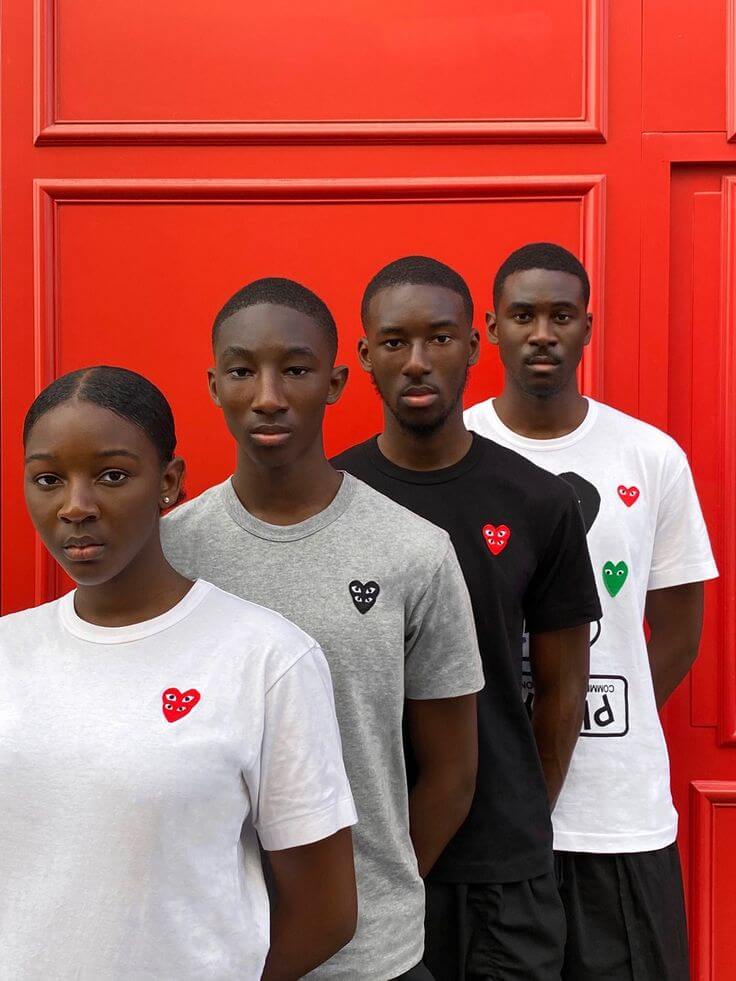
Over the years Comme des Garçons has produced numerous iconic collections that have left an indelible mark on the fashion world. Collections such as the Body Meets Dress Dress Meets Body series introduced exaggerated shapes and stuffed forms that transformed the human body into abstract forms. The brand is also known for its Play line which features the recognizable heart logo designed in collaboration with artist Filip Pagowski blending streetwear influences with high fashion.
Other notable designs include monochrome color palettes deconstructed tailoring oversized proportions and experimental layering. Comme des Garçons collections often challenge perceptions of gender identity incorporating androgynous elements and unisex styling. These designs demonstrate the brand’s commitment to innovation creativity and challenging conventional norms in fashion.
Global Influence and Cultural Impact
Comme des Garçons has had a profound impact on global fashion culture influencing designers artists and creative thinkers around the world. The brand’s avant-garde philosophy has inspired major fashion houses to experiment with unconventional forms and conceptual designs. Designers such as Yohji Yamamoto Martin Margiela and Junya Watanabe have drawn inspiration from Kawakubo’s fearless approach to fashion.
In addition to fashion Comme des Garçons has influenced art music and popular culture. Collaborations with musicians artists and cultural institutions have expanded the brand’s reach beyond clothing. The brand’s conceptual approach to design has encouraged audiences to view fashion as an intellectual and cultural dialogue rather than simply consumer goods.
Comme des Garçons Retail and Global Presence
Comme des Garçons operates boutiques in major cities around the world including Tokyo Paris New York London and Hong Kong. The brand’s stores reflect its artistic philosophy offering immersive experiences where design and retail intersect. Interiors are often minimalistic and unconventional creating spaces that emphasize creativity and experimentation.
In addition to its flagship stores Comme des Garçons has expanded into sublabels and collaborations including Comme des Garçons Homme Comme des Garçons Play and Comme des Garçons Parfums. These lines cater to different audiences while maintaining the brand’s distinctive avant-garde identity. Through its global presence Comme des Garçons continues to shape fashion discourse and inspire creative innovation worldwide.
Collaborations and Partnerships
CDG Hoodie has a long history of collaborations with other designers artists and brands. These partnerships often merge avant-garde concepts with commercial appeal creating products that are both innovative and accessible. Collaborations with brands such as Nike Vans and Converse have introduced the Comme des Garçons aesthetic to wider audiences.
Artistic collaborations also play a key role in reinforcing the brand’s conceptual philosophy. Projects with contemporary artists and exhibitions at museums have positioned Comme des Garçons at the intersection of fashion art and culture. These collaborations highlight the brand’s ability to innovate and remain relevant in a rapidly changing fashion landscape.
Commitment to Sustainability and Ethical Practices
Comme des Garçons has increasingly embraced sustainability and ethical practices in its operations. The brand explores innovative materials and production techniques aimed at reducing environmental impact while maintaining artistic integrity. Sustainability is integrated into design philosophy ensuring that creativity does not come at the expense of ecological responsibility.
Through mindful production and thoughtful design Comme des Garçons demonstrates that avant-garde fashion can coexist with environmental consciousness. This approach aligns with the brand’s broader commitment to thoughtful creativity and social responsibility influencing both the fashion industry and consumer expectations.
Conclusion
Comme des Garçons is more than a fashion brand it is a cultural phenomenon that continues to redefine the boundaries of design creativity and identity. Founded by Rei Kawakubo the label challenges conventional norms and encourages audiences to see clothing as a medium of intellectual and artistic expression. Through avant-garde collections iconic designs global influence and thoughtful collaborations Comme des Garçons has cemented its position as a leader in contemporary fashion.





0 Comments